


Why this story?
Bianca : I don’t believe I chose this story; rather, it chose me 28 years ago. This story and its characters are among the things I’ve devoted the most time to in my life, even before I ever imagined it could become a film. Perhaps because they are my family, and it was instinctive for me to observe the adults around me so closely. Or maybe because I’ve always seen them as fascinating characters, each with a very specific inner world, carrying a deep tension within them. The film represents only a small part of all this, and rightly so.
Esther: This story matters because cycles, patterns and history repeat themselves if we don’t pay attention, question and demand a change.
Elisa: In response to this question, I’ll use a word that was often on my mind while editing this film: 'Freedom' - what it means in relation to other people, and to a tale that keeps repeating itself throughout history.
Why this story? Because it is not just a narrative born of intimate moments and personal reflections; it also develops from the power of dialogue, memory and solitude in relation to others. It does so in a fragmented and emotional way, seeking the freedom of both the narrative and its characters.
How did your idea change during the development process?
Bianca: kept changing my mind. There were many narrative possibilities, and it was difficult to decide which to keep and which to cut. In the end, I followed what felt most necessary to tell now, for myself, for my crew—and perhaps, I hope, for others too.
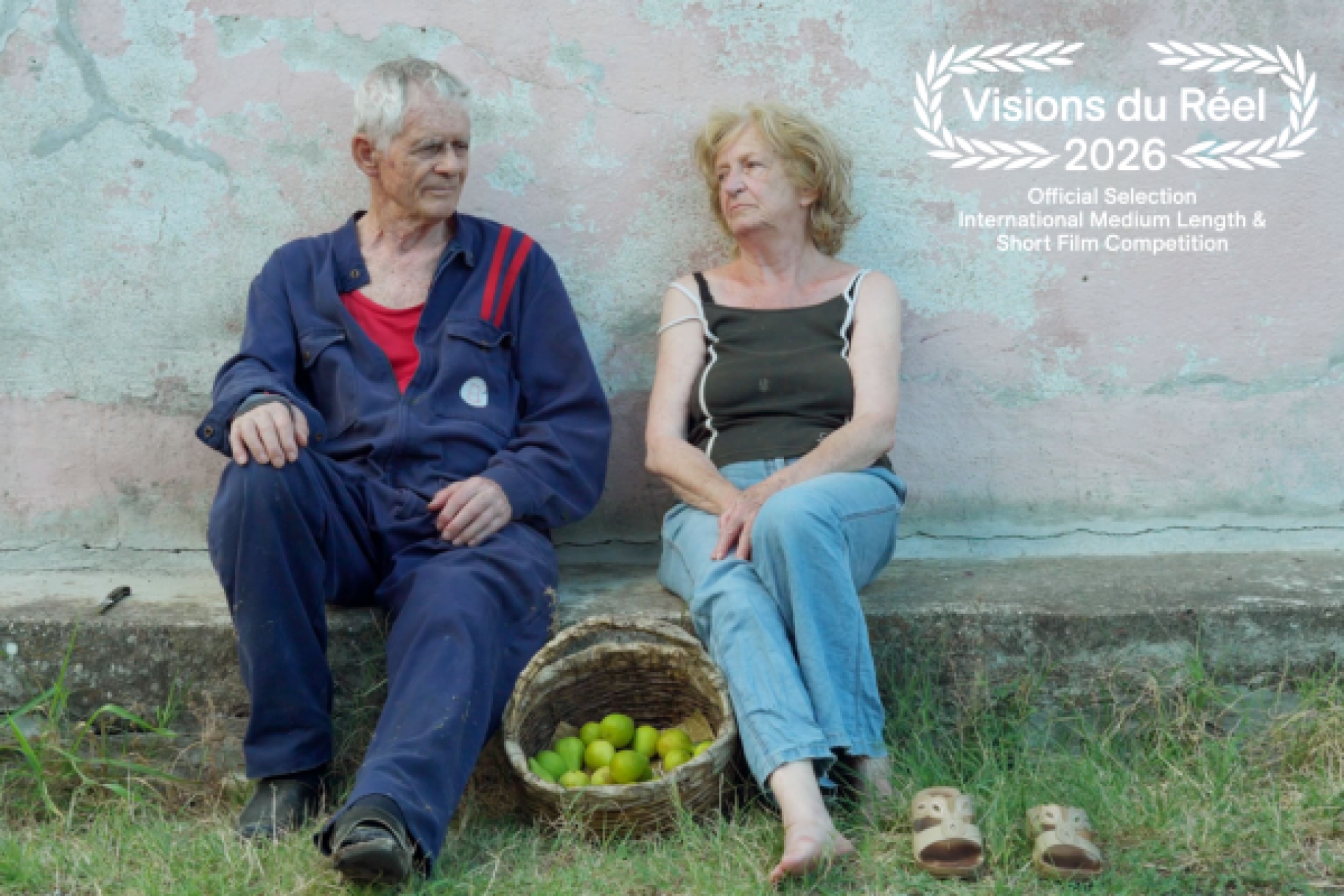
Esther: Initially we wanted to research the identity, traditions and dialect of the Italian province of Piemonte. Our starting point was the small village Luvara, where Bianca's family originally comes from. Soon after our research there in Summer 2024, we focused our ideas and understood that our main interest lies actually in the relationships within the family of the director Bianca. For a while we followed the dynamics of her mother and grandmother. Then during the last shooting periods our focus shifted more to the relationships between women and men within her family and the generational differences in these.
Elisa: It all began with a place: a location steeped in a fading and crumbling past, as is now the case with many roads and villages far from the cities. However, this place was not just any place; it was deeply connected to Bianca’s memories. As we observed the place and its inhabitants closely, we discovered that the more we delved into Bianca’s family history, the more fragments of a larger story we found, revealing a repeating pattern generation after generation that needed to change. And from there, the film was born.
What’s the biggest production challenge you faced?
Bianca: Finding a wolf.
Esther: Personal stories are always delicate, so finding a way of entering this very private and intimate space as a film team was challenging, but also very beautiful and enriching for us.
Elisa: The sheer volume of material we gathered was rich in moments, emotions and compelling stories. Extensive research was required to get to the heart of the matter. Ultimately, we had approximately 90 hours of video footage, in addition to the many interviews Bianca conducted with her family on significant topics. This enabled me to explore and immerse myself in the material during the editing process, creating scenes and developing narrative threads. From this vast collection of moments came the need to finally let go. We stripped away everything that told a different story, focusing instead on the deep, essential conversations, as well as the ritual gestures and symbolic moments that emerged from everyday life. Our aim was to create a narrative in which the past, present and future could meet and coexist.
Who do you want to hear this story and why?
Bianca: Anyone who wants to.
Stories need to be heard to exist. I’m not entirely sure about that, but perhaps they do.
Esther: I think this story speaks to people who are curious about social, psychological and existential questions. We guide the spectators on an emotional journey through reality and imagination — one that may reconnect them with their dreams, their intuition and the inner parts of themselves often left unheard.
Elisa: I would like this film to be an invitation to anyone who feels stuck or alone. To seek out and perceive change as something powerful - sometimes frightening - but nonetheless an intrinsic part of nature and of ourselves.
Feeling free - whether from remorse, the past or society - and being able to choose and transform oneself is fundamental.